Power cuts can happen from storms, heat, or grid issues. When the lights go out, the real worry is not just the dark. You may lose your fridge, internet, sump pump, or medical gear. Some people buy a portable generator and hope it is enough. Others add batteries or solar, but the parts do not always work well together. Backup power system integration means linking the gear so it starts safely, powers the right circuits, and shuts off cleanly. This blog helps you decide if that step is worth it. You will learn what “integration” includes, what it can protect, and what it can cost. You will also see simple ways to size a system.
What Backup Power System Integration Really Means
Integration is not one box you buy. It is the plan for how backup power ties into your home wiring. The main goal is to keep power flowing the right way. When a home sends power back into the grid, it is called a back feed. Back feed can harm utility crews and damage your equipment. A correct setup uses approved switching so the grid and your backup never connect at the same time. Integration also controls what runs. Most homes cannot power every circuit during an outage. Instead, the system feeds a set of “critical loads.” These are the items that keep your home safe and livable. Good integration also makes the changeover smoother. You know what to turn on, what to leave off, and what to check after power returns.
Outage Risks That Cost More Than You Think
Many outages last only minutes, but problems start fast. A fridge warms up, and food can spoil. A sump pump can stop and let water rise. In cold weather, a furnace may stop even if it has gas. That is because the blower and controls still need electricity. In hot weather, no fans can make a home unsafe. If you work from home, losing Wi-Fi can also mean lost pay. Some homes must keep medical devices running. That can change backup needs overnight.
Main Parts For A Safe Integrated Backup Setup
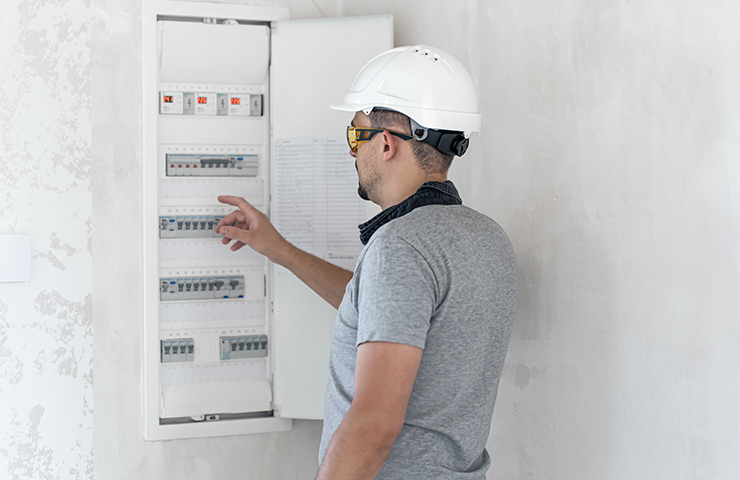
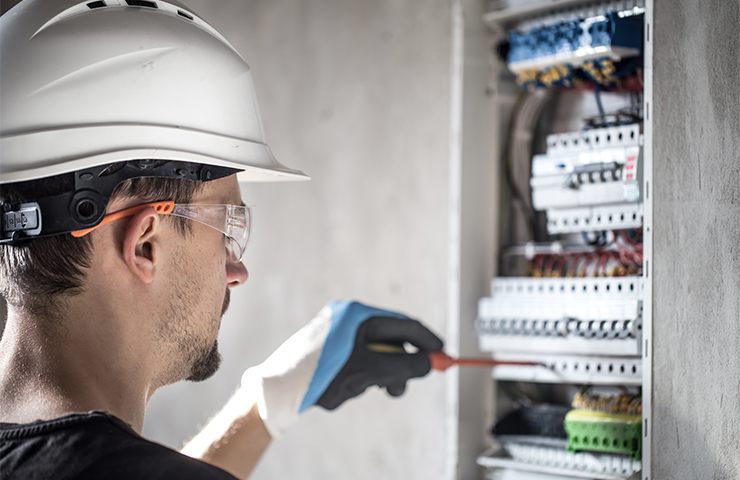
An integrated setup has three core pieces: safe switching, a power source, and clear controls. Safe switching can be a transfer switch or a panel interlock. Both stop backfeed when used correctly. Many homes also add a small “critical loads” sub-panel. That keeps the chosen circuits in one place.
Quick note: manual and automatic switching
- Manual switching means you flip the switch during an outage.
- Automatic switching means the system switches on its own.
The power source may be a generator, a battery, or both. Generators are rated in kilowatts (kW). That tells you how much power they can supply at one time. Batteries are rated in kilowatt-hours (kWh). That tells you how long they can run loads. Some systems use a hybrid inverter. It can run loads and charge batteries. It may also accept solar input. Good setups often include surge protection, proper grounding, and labels on every new breaker. Those small details make future troubleshooting much easier.
How To Size Your Loads And Runtime
Sizing is where many people overbuy or underbuy. The clean way is to start with facts. Look at the label on each item or the manual. You want two numbers: running watts and starting watts. Motors can need two to three times more watts for a few seconds. That is why pumps and fridges matter.
Use this simple sizing method:
- List your critical items and their running watts.
- Add the watts for items that can run together.
- Find the biggest starting watt needed in your list.
- Pick a gear that can handle both totals.
Then plan the runtime. If you have a 10 kWh battery and your loads average 1 kW, you have about 10 hours. Losses reduce that time, so planning for 8 to 9 hours is safer. A generator can extend runtime, but only if fuel is available.
Cost Permits And When Payback Makes Sense
Cost depends on how automatic you want it to be. A manual inlet with an interlock is often the simplest path. A battery system adds the cost of batteries, an inverter, and the needed breakers. A standby generator adds fuel needs and regular service. Some homes also need a panel upgrade if the existing panel is full or outdated.
Permits are not a hassle; they are a safety check. Most areas require an electrical permit for transfer gear. An inspection checks wire size, grounding, and labels. It also confirms the setup prevents backfeed. If solar is part of the plan, there may be extra review steps.
“Worth it” is not only about money. It can mean avoiding one flooded basement. It can mean keeping food safe. It can also mean less stress when the grid drops. Test the system, plan upkeep, and replace parts on time.
A Clear Way To Decide For Homeowners
A good integrated backup setup can fit many homes, but it is not always needed. If outages are rare, a small portable plan may be enough. If outages are common, integration can make backup safer and easier. It helps you power the circuits that matter without risky wiring. If you want help choosing sizes and parts, Geezus Renewable Solutions can review your home loads, explain clear options, and install the right switching and labeling so the system behaves safely during outages and when power returns.